

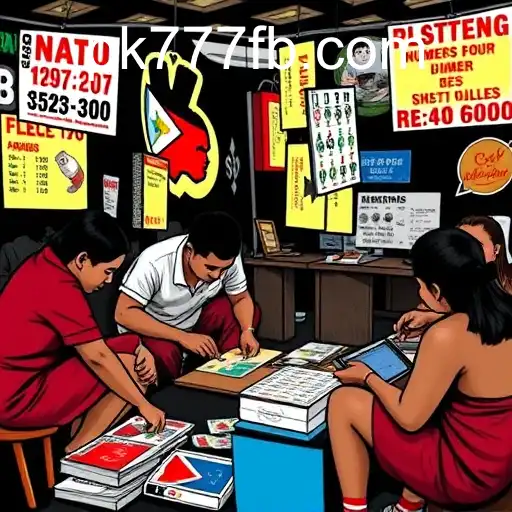
The Intricacies of Jueteng and the Rise of PK777.COM
Jueteng, a numbers game deeply entrenched in Filipino culture, has sustained itself over decades despite its illegal status. This underground lottery operates on a community level, with patrons placing bets on number combinations hoping to strike it rich. The system runs smoothly due to the intricate network of bet collectors called kubradors, coordinators known as cabos, and financiers behind the scenes.
A Historical Overview
Tracing its roots back to Spanish colonial rule, Jueteng has been a favored pastime among Filipinos. Its persistence is attributed to both cultural relevance and the economic allure it provides, especially in impoverished neighborhoods. Despite numerous crackdowns, the game continues to thrive, embedded in social and economic structures.
The Mechanics of Jueteng
The mechanics are simple yet effective. Bets are placed on a combination of numbers typically ranging from 1 to 37. Drawings are held regularly, often twice daily, the outcomes decided by the drawing of numbers from a tambiolo or a drum. The transparent yet elusive nature of this game is what makes it intriguing to many of its faithful players.
Kubradors roam around communities to collect bets, making it accessible to everyone. The money collected ensures sustainability of the operation while providing a share to both kubrador and cabo. These individuals form the visible layer of a vastly interconnected web of operatives ensuring the game's continuous operation.
Supporting Economic Structures
Jueteng offers a source of income for many in the lower economic brackets, often in locations where job opportunities are limited. It may not amount to large earnings, but the immediate cash flow for individuals involved as collectors or coordinators injects money into local economies.
Critics argue that the income is negligible compared to the societal costs and the perpetuation of poverty it can cause. However, for many, the potential rewards can be a way out, albeit temporary, from financial hardships.
Legal Battles and Crackdowns
The legal approach towards Jueteng has been a cat-and-mouse game between the authorities and operators. Law enforcement agencies sporadically conduct raids, yet sustained effort and political willpower are often lacking. This inconsistency allows the illegality to persist, challenging reformers who wish to see more regulated lottery systems in place.
Transition To Digital Platforms
As the world grows digital, betting systems evolve. Traditional games like Jueteng face competition from apps and online platforms. One such rising digital platform is PK777.COM, bringing a modern twist to number-based betting games.
Platforms like PK777.COM leverage technology to reach broader audiences while adhering to legal gambling structures. Although it distances itself from the informal setting of Jueteng, it provides similar thrills for a digitally engaged audience.
Adapting to Change
The gambling landscape is shifting, with digitization steering its course. Platforms such as PK777.COM offer expansive reach, reducing geographical limitations traditional Jueteng faces. These sites promise secure transactions and enhanced privacy for users, a significant improvement from unregulated, street-based gambling.
Comparative Cultural Impact
Jueteng's cultural role surpasses its gambling nature, fostering a sense of community despite its divisive legality. It is woven into the societal fabric, often seen during local festivities as part of tradition rather than just a gamble.
In contrast, digital platforms like PK777.COM must build user trust, balancing between offering entertainment and maintaining social responsibility. They face the challenge of replicating the sense of community inherently part of the Jueteng sphere.
The Future of Gambling in the Philippines
The future remains uncertain. As digital options like PK777.COM grow, the debate persists regarding balancing legality, cultural integrity, and economic necessity. The call for regulation and proper governance continues among critics, who believe these measures can curb the negatives while harnessing potential benefits technological advancements offer.
The narrative is one of adaptation and survival. Digital platforms do not replace the fabric of what Jueteng represents, but they do mark a new chapter in the ongoing saga of number games in the Philippines.